Disappearing Waterfall
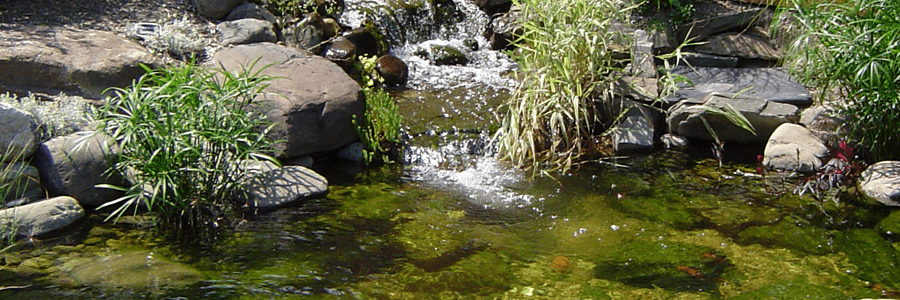
A disappearing waterfall is one of those perfect water features for someone who does not have a lot of back yard space, but still enjoys this hobby.
Building a disappearing waterfall is quite simple and if you have all of the components, can probably be completed in a weekend’s time. They can be made from things as simple as a large terracotta urn that has been set in place that water flows from to an actual outcropping of rocks that water flows from.
You’ll need at least the following to build a disappearing waterfall:
Something that the water flows from – This may be a terracotta urn, several buckets, small concrete boxes, old wine barrel halves and so on. You can even use stacked rock. Think outside of the box here. You can use almost anything that can hold water to create a unique look.
Fountain Basin – Welcome to the world of plastics. Because of plastics, some of the world’s neatest things have been created. These fountain basins can be purchased from pond stores and they are used to set your disappearing waterfall up on. The water will flow out of the items listed above and over top of gravel, for instance, and down into this fountain basin where it is circulated back up to the waterfall exit point.
These fountain basins can also be filtered in order to keep the water as clean as possible. The filters can be removed and washed on occasion with relative ease. The top of the basin is grated so that you can pour large gravel over the top which will hide any evidence of the waterfall mechanics.
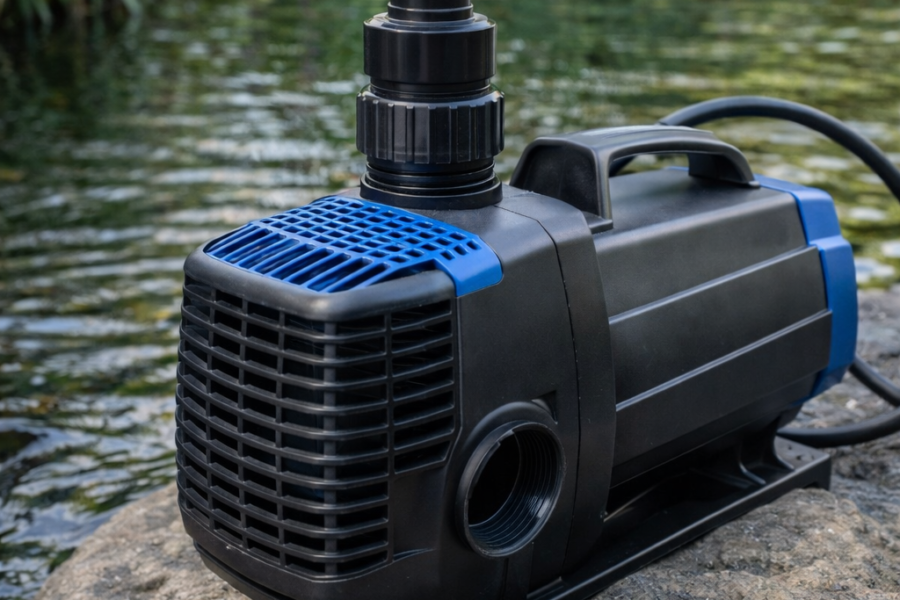
Pump – You’ll need a small pump. Avoid just running out and purchasing any old pump. You’ll need to make sure that the head pressure will be enough to at least operate your disappearing waterfall.
Refill Mechanism – One of the downfalls of a disappearing waterfall is that the splashing can cause the water to evaporate more quickly than standing water. As such, you’ll have to fill the fountain basin often unless you install an automatic refilling mechanism of some sort.
Really, that’s all there is to it. Once a disappearing waterfall is up and running, the maintenance is pretty minimal. Just make sure the filters are clean and that your refill mechanism is working properly.
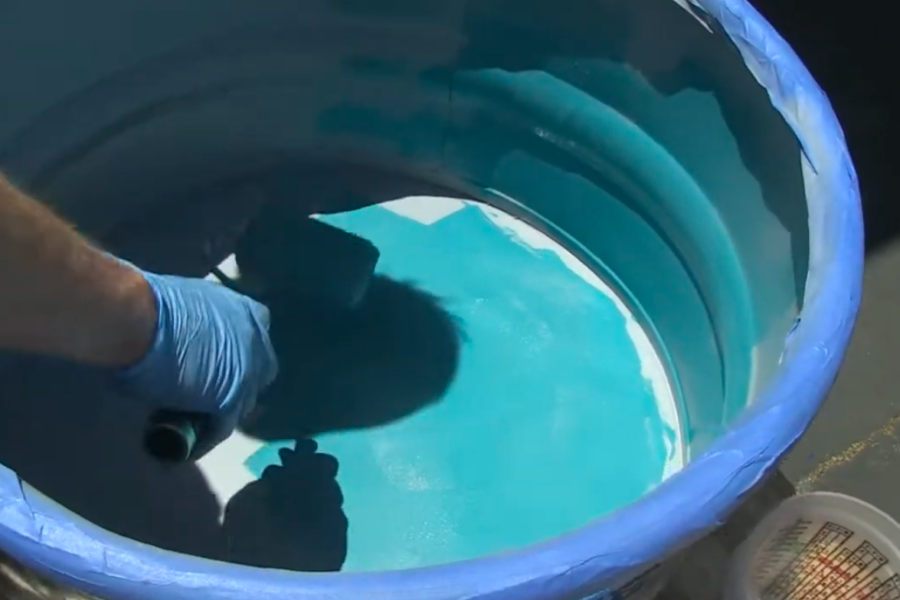
Most people have gotten used to the color black being their only choice when it comes to pond liners. While black is not a bad color, Pond Armor for instance, offers a large selection of standard colored pond liner epoxies. We also offer custom colors as well.
Think of the possibilities of using a different colored pond liner. Take for example the difference in appearances between limestone and granite or shale and slate. All of these rocks are very different in color.
Using a gray or a tan colored pond liner will enhance a partner color found in a specific rock. This in turn can also add to the natural aesthetics of the pond over-all. Picture in your mind what the pond would look like if the colored pond liner blended into the surrounding stone.
If you have a more formal type of pond, you may need to use very bold colored pond liner epoxy. Colors like white or competition blue might make a statement. By the way, competition blue is a perfect color for fresh and salt water aquariums too.
So what it all boils down to is that you might consider thinking outside of the box when trying to decide which colored pond liner to choose. The two or three design possibilities you have in your head right now may turn into a couple dozen new ideas just by adding a little color to them.
Filed under:
General Tips
I am always asked if Pond Shield epoxy can be used as a pond liner glue. The short answer is no. I hate to disappoint, but while there are times Pond Shield epoxy can be used in the same manner as a glue, it can not be used as a pond liner glue.
The real issue here is not that Pond Shield is not sticky enough. It really is. The issue is that the epoxy and the liner are from two very different families of materials, in the case of a rubber liner.
While Pond Shield sticks to PVC and ABS pipes, this does not mean that it will stick to PVC liners. The problem here is the difference in material flexibility. All flexible liners are going to be on the furthest edges of the scale with is comes to flexibility.
So in essence, it amounts to two major issues, the family of materials and the flexibility. If you want to use a pond liner glue that will have any success of working, the pond liner glue needs to cover both of those issues, being of the same family of materials and at least as flexible.
The down side of pond liner glue is that they can be tricky to get to work properly. If you read my article Patching a Pond Liner, you’ll get a better understanding of how this process works.
You should be aware that pond liner glue and patches do have their issues even if you follow the rules with repairs, so you’ll want to take care of them and treat them with extra care so that the patch lasts as long as possible.